Our story
How "Tähistades elu"
came to be
Our story
Death touches every one of us at some point. It doesn't ask about age, occupation, or whether we are ready. And yet it is a subject we rarely talk about. We keep putting these conversations off, hoping the right moment hasn't come yet.
I too have lost people who were very dear to me. Over the years I have accompanied all of my grandparents on their final journey and attended many funerals. Although every person and every parting was different, I was left with the same feeling after each one — the ceremonies focused more on death than on the life the person had lived. The structure was always the same, and only the factual details changed in the celebrants' speeches. Everything seemed "right", yet something essential was missing. The person themselves was missing.
The deepest mark was left by the unexpected passing of my grandmother at only 59. Her death came completely without warning and changed my world in an instant. The funeral ceremony, too, was a hard experience for me. It spoke nothing of her warmth, her humour, or her love of life. Everything only reminded me that she was gone. That experience stayed with me for years and followed me even in my dreams.
Years passed, but the question remained. Does a farewell really have to be like that? Could it not instead help us remember a person as they truly were?
Today I work as a nurse in a palliative care ward, meeting people at the end of their lives and their loved ones every day. I have seen how often people already know what kind of farewell they would wish for themselves. At the same time, it is very hard for their loved ones to talk about it. We avoid speaking about death for fear of causing pain, or because we are simply not ready to admit that a parting is near.
It was from this thought that "Tähistades elu" was born.
We believe a farewell can be something more than a traditional funeral. It can be a moment that reflects a person's life, their values, character, and story. A moment of remembering, laughing, crying, and being grateful. It can be a source of support during an already difficult time of grief.
We offer the chance to calmly plan a celebration-of-life ceremony in advance, for those who wish to think their wishes through and put them into words themselves. We also help create a personal celebration-of-life ceremony after the passing of a loved one, guided by their life, their wishes, and the needs of the family.
Our goal is not simply to organise a ceremony. Our goal is to help create a farewell that lets loved ones remember a person with love and gratitude, and leaves peace in the heart.
— Kädy-Liis Vään
Founder of "Tähistades elu" · nurse in a palliative care ward
Our symbol
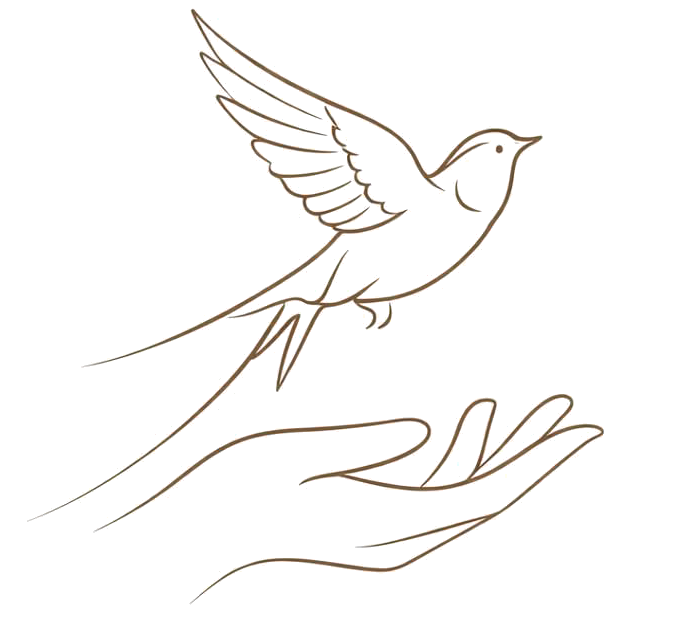
The barn swallow
Our symbol is the barn swallow — a sign of freedom, hope, and love that lives on. It is dedicated to my grandmother, whose memory sparked the wish to create something different in Estonia.
Our people
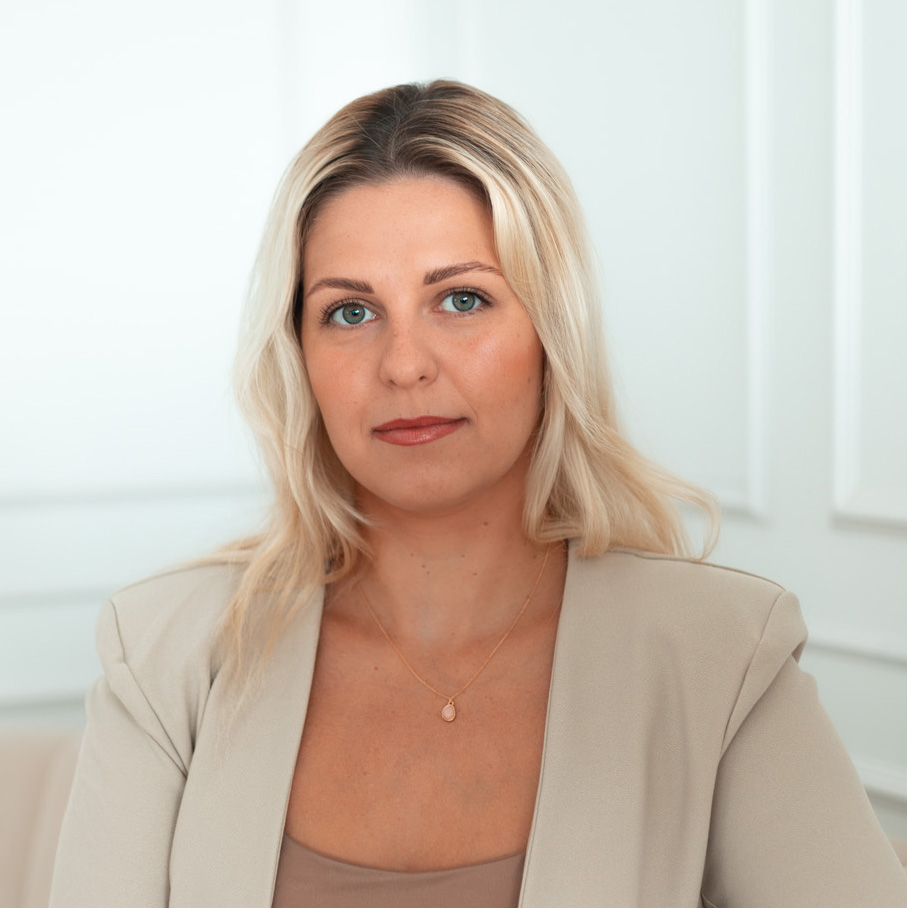
Kädy-Liis Vään
Founder & ceremony organiser
Palliative care nurse
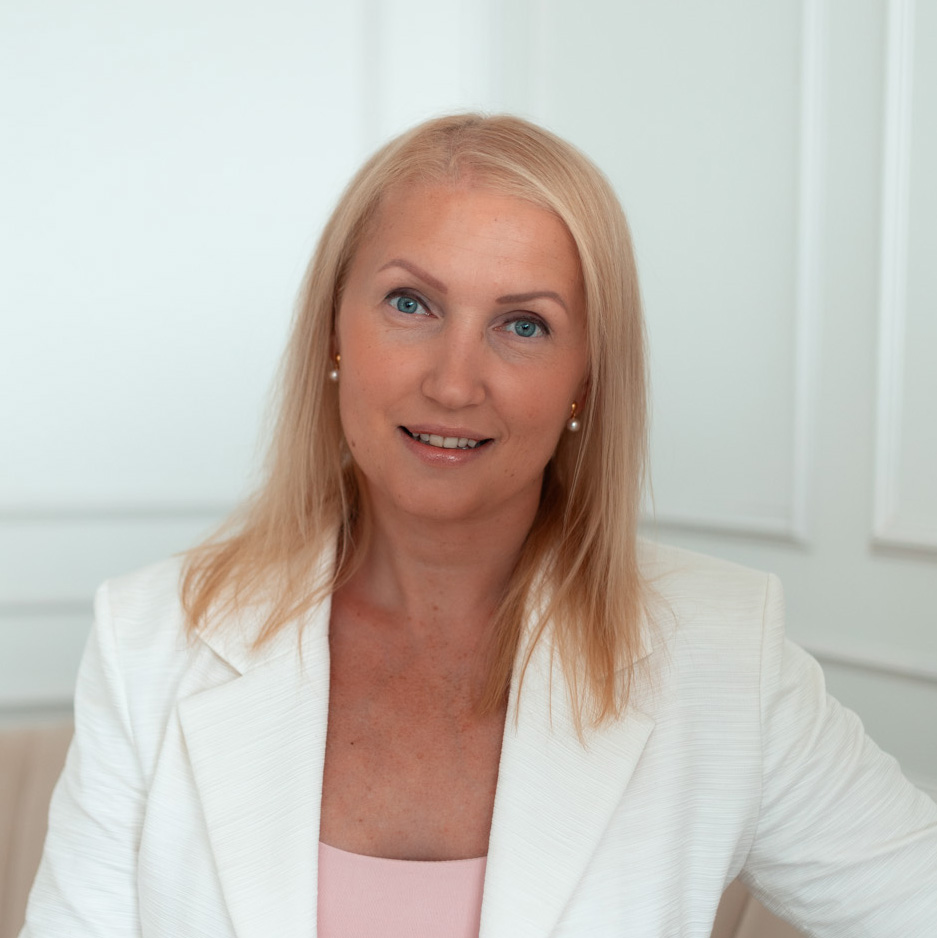
Merili Põder
Ceremony organiser
Palliative care nurse

Reimo Vellemaa
Video recording, editing & IT
Let's start a conversation